 ABIBIMAN FOUNDATION LBG
 BUSINESS DEVELOPMENT PARTNER
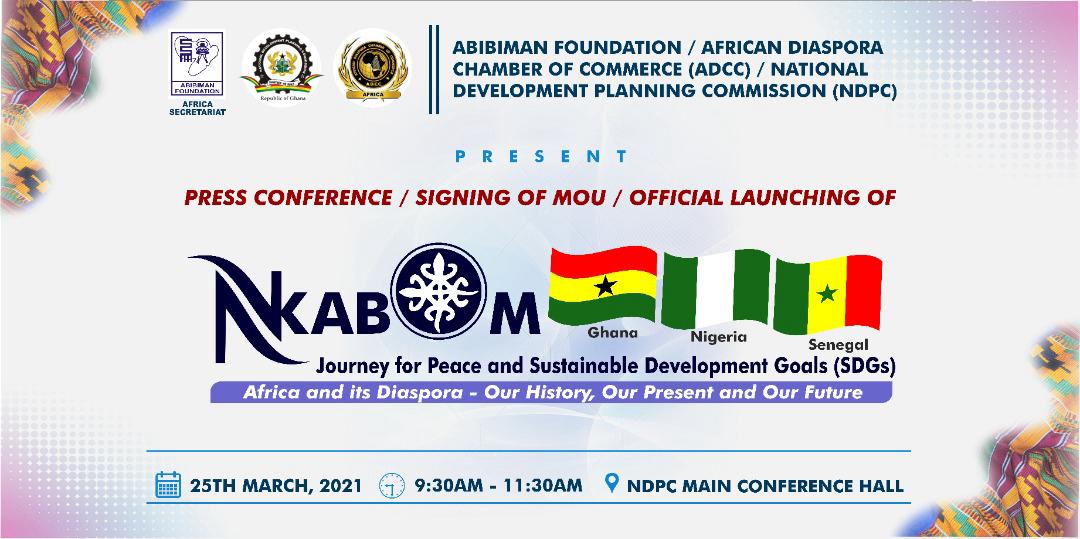
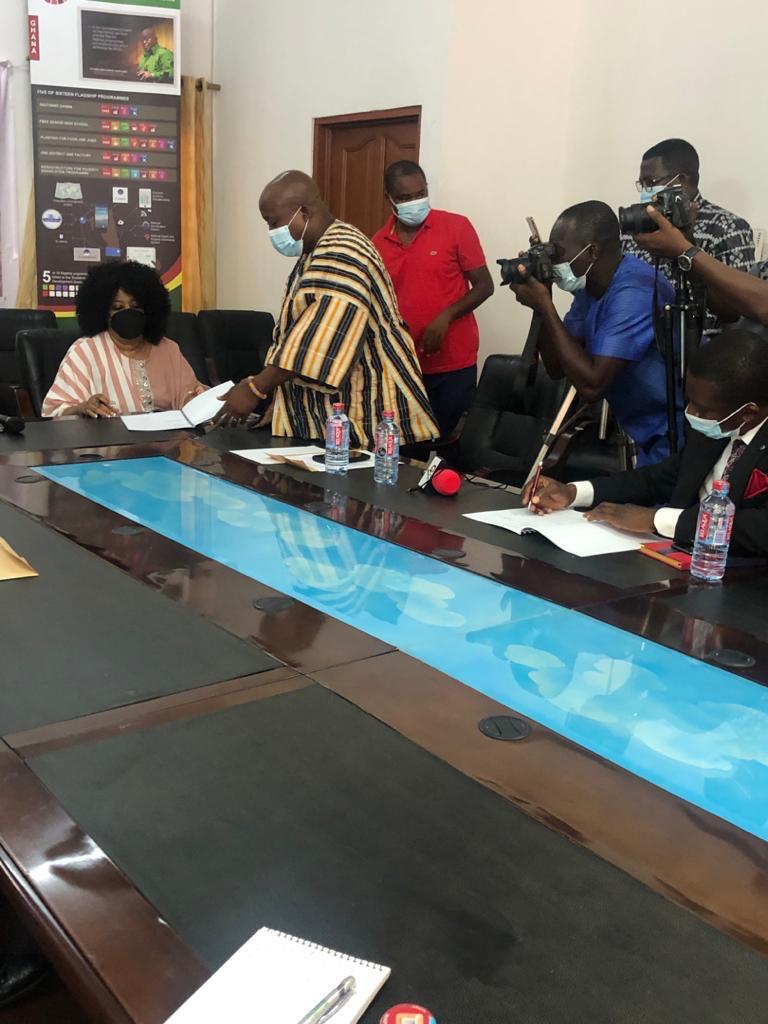
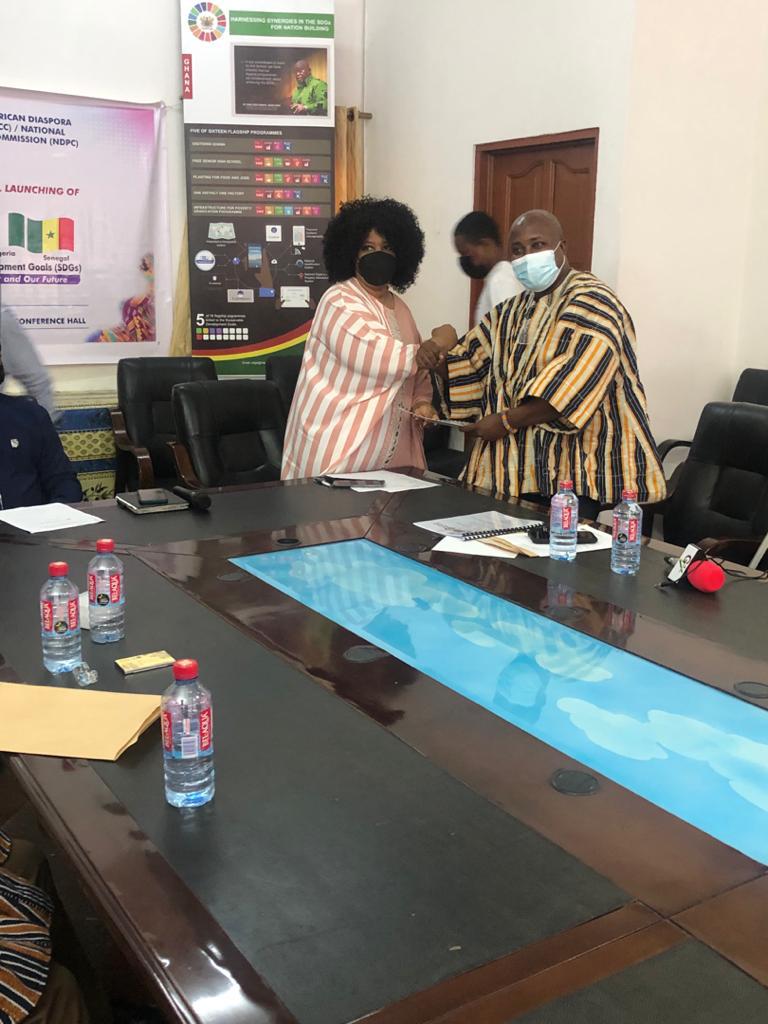
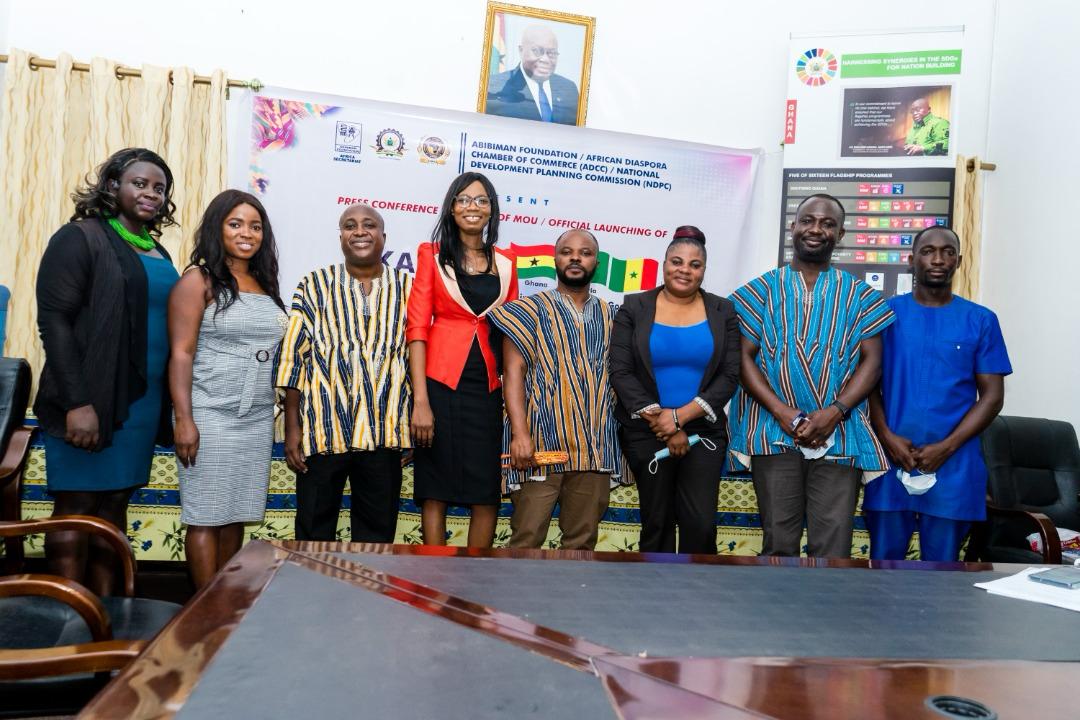
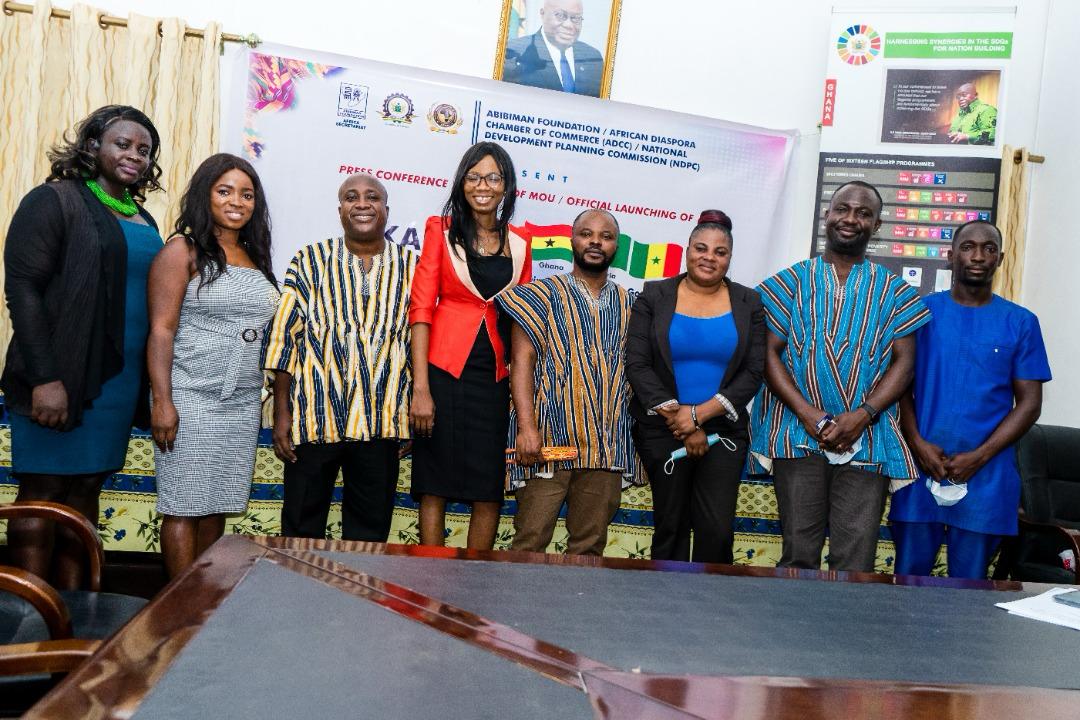
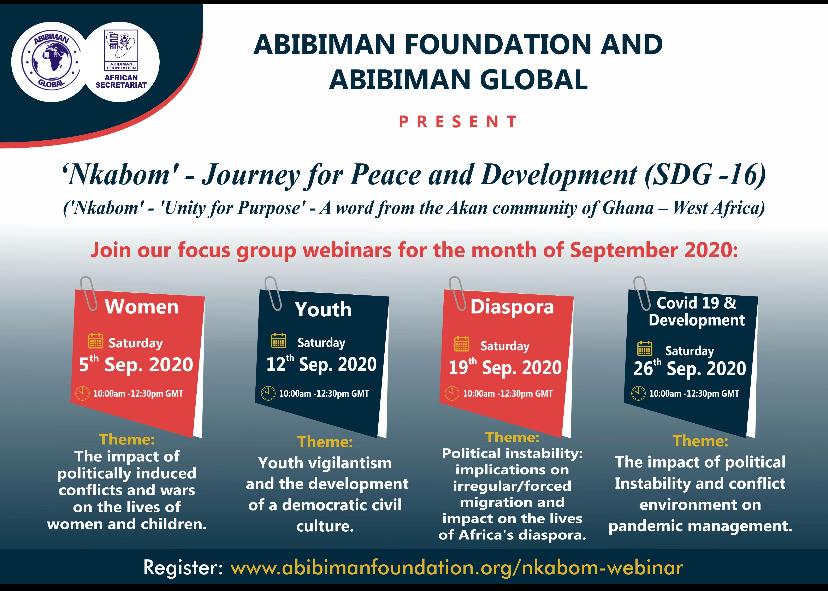
We drive development and change through our advocacy efforts. Through the 'Nkabom' campaign, we have launched the Nkabom Journey for Peace and Development Webinar Series which are virtual conferences that engage highly resourced panels, including eminent personalities, youth, women and community groups from across Ghana and other African countries.
Research fuels innovation and at Abibiman, programs and projects are informed by research. We link research (academic and commercial) to industry to promote knowledge, build capacity and develop best practices within. This ensures that the right personnel are deployed on programs and projects to promote innovative solutions to communal, societal and national issues.
We design and implement financial and investment innovations to promote fund-raising and mobilization from multiple and different sources (both internal and external funding sources) available at the regional level. We also manage investment portfolios that drive new investments into supporting existing businesses and establishing social enterprises to promote and open up new investment opportunities.
The Foundation upholds the principles of the United Nations, African Union and the eight (8) Africa Regional Economic Communities (ECOWAS, AMU, CEN-SAD, COMESA, EAC, ECCAS, IGAD and SADC). Abibiman Foundation is therefore an accredited member of the UNFCCC, UNGC, GEF, UNCAC Coalition and ECOSOC of the United Nations
ABIBIMAN FOUNDATION LBG
BUSINESS DEVELOPMENT PARTNER
Abibiman Foundation is currently the Africa Regional Secretariat of the Abibiman Global to champion the implementation of The SDGs Agenda - 2030 Programme on advocacy, research and promoting investments in African countries. Abibiman Foundation was formed twenty (20) years ago by a group of youth activists who believed in the efforts and determination to sustain the world's ecosystems and improve human lives. They were therefore poised to move forward an agenda that will promote and positively impact on the livelihoods, peace and development of the peoples of the world at large and Africa in particular and hence the name Abibiman Foundation (The African Foundation). The founders of Abibiman Foundation believed that the lack of understanding and a better blend of the rich cultural heritage and modern concept of human relationship and development have led to the prevailing situations which are depriving the development of the human kind especially in Africa.
Abibiman Foundation is a Non-Profit Oriented, Non-Partisan, Non-Governmental Organization (RGD G5, 895, DSW 2525), established in 2000 and dedicated to the promotion of a culture of peace and amelioration of conflicts, wars and refugees situations. It seeks to do these through the promotion of knowledge which is based on cultural, civic, human and environmental rights to positively impacts on democracy, good governance and development. Abibiman Foundation therefore promotes cultural, formal and non-formal education as well as technical and vocational skill development to enhance employment and job opportunities for a better standard of human. It focuses attention and resources on promoting the balance between the biodiversity our ecosystem and sustainable development, and the implications of the environment, land and water usage (agriculture, mining and infrastructure development, etc.), land degradation and climate change. The Foundation upholds the principles of the United Nations, African Union and the eight (8) Africa Regional Economic Communities (ECOWAS, AMU, CEN-SAD, COMESA, EAC, ECCAS, IGAD and SADC). Abibiman Foundation is therefore an accredited member of the UNFCCC, UNGC, GEF, UNCAC Coalition and ECOSOC of the United Nations
The Foundation develops concepts and programs based on a combined approached matrix and methodologies that enable its audience to identify problems, set priority, and address needs assessments. These then act as catalyst for actions with appropriate decision and policy-makers which are based on effective burden-alleviation and cost-effectiveness analysis are taken. The Foundation implements major development oriented programmes, projects and events at the international, national and grass-roots levels which are seen as crucial to the promotion of sustainable livelihoods, peace and development and help break the vicious circle of unemployment, poverty and underdevelopment.
The Foundation which started as a local charity in Ghana on the shoulders of five (5) youth activists, has as at today grown up, with huge international alliances, to include the shoulders of zealous young people and adults in Africa and its Diaspora and other nations around the world for the advancement of the human kind. The growth of Abibiman Foundation has also led to the establishment of Abibiman United Kingdom (Abibiman UK), Abibiman Ghana (Abibiman GH) and Abibiman Global, and currently representing the Africa Regional Secretariat within Abibiman Global.
Our mission is to realise sustainable livelihoods, peace and development in African countries.
To promote a culture of peace, amelioration of conflicts, wars and refugees situations through advocacy, research and promoting investments in African countries.
To champion the implementation of The SDGs Agenda - 2030 Programme through knowledge-based cultural, civic, human and environmental rights programmes.
To promote cultural, formal and non-formal education as well as technical and vocational skill development for employment and job opportunities.
To focus attention and resources on promoting the balance between biodiversity, ecosystem and sustainable development.
Integrity: We uphold the highest standards of integrity in all our actions.
Excellence: We strive for excellence in every programme and project we undertake.
Collaboration: We work together with partners and communities to achieve shared goals.
Innovation: We embrace innovative solutions to address complex challenges.
Accountability: We are accountable to our stakeholders and the communities we serve.
The Foundation implements major development oriented programmes, projects and events at the international, national and grass-roots levels which are seen as crucial to the promotion of sustainable livelihoods, peace and development.
Registered Name: Abibiman Foundation
Registration: RGD G5, 895, DSW 2525
Year Established: 2000
Status: Non-Profit Oriented, Non-Partisan, Non-Governmental Organization
Accreditations: UNFCCC, UNGC, GEF, UNCAC Coalition, ECOSOC of the United Nations
ABIBIMAN FOUNDATION LBG
BUSINESS DEVELOPMENT PARTNER
The programmes and projects of the Cycles I & II of Phase 1 (2019 - 2022) and Cycle I of Phase 2 (2021 & 2022) are implemented under each of the SDGs or a combination of SDGs which are focused on each or group around these specific 'Programme Theme'
| SDG | Goal | Goal Focus | Programme Theme |
|---|---|---|---|
| 1 | No poverty | Economic growth must be inclusive to provide sustainable jobs and promote equality. | International trading regime and their implications on sustainable development |
| 2 | Zero Hunger | The food and agriculture sector offer key solutions for development and it is central for hunger and poverty eradication. | Effective agro-industrial value chain; key in promotion of sustainable livelihoods and food security |
| 3 | Good health and well being | Ensuring healthy lives and promoting the well-being for all at all ages is essential to sustainable development. | Mental health challenges and impact on productivity, sustainable livelihoods, poverty reduction and sustainable development. |
| 4 | Quality education | Obtaining a quality education is the foundation to improving people's lives and sustainable development. | Promoting quality of higher education and youth engagement as effective tools in crime prevention: knife crime, drug abuse, sex and gender-based abuses |
| 5 | Gender equality | Gender equality is not only a fundamental human right, but a necessary foundation for a peaceful, prosperous and sustainable world. | Domestic and workplace environments, childcare and family-life - impacts on women's economic empowerment and advancement |
| 6 | Clean water and sanitation | Ensure access to water and sanitation for all | Sustainable water resources management and implications on national security and development |
| 7 | Affordable and clean energy | Ensure access to affordable, reliable, sustainable and modern energy. | Solar electricity promotion within the energy transition and sustainable energy management |
| 8 | Decent work and economic growth | Promote inclusive and sustainable economic growth, employment and decent work for all | Investments in the improvements in human resources development and the recruitment processes of personnel into governmental and non-governmental agencies, including the private sector in African countries |
| 9 | Industries, Innovation and infrastructure | Build resilient infrastructure, promote sustainable industrialization and foster innovation | Efficient railway transportation systems and infrastructure and impact on sustainable development |
| 10 | Reduced inequalities | Reduce inequality within and among countries. | Gender, ethnic and race discrimination at workplace and mental health implications |
| 11 | Sustainable cities and communities | Make cities inclusive, safe, resilient and sustainable | Promoting and enhancing the impacts of sustainable cities and communities on human resources and national and continental development |
| 12 | Responsible consumption and production | Ensure sustainable consumption and production patterns | Changing consumption and production patterns through efficient and sustainable extraction and industrial practices |
| 13 | Climate action | Take urgent action to combat climate change and its impacts | Climate resilient and low emission pathways in the promotion of sustainable livelihoods, socio-economic development |
| 14 | Life below water | Conserve and sustainably use the oceans, seas and marine resources | Plastic usage and recycling practices and their effects on plastic pollution and aquatic life and diversity. |
| 15 | Life on land | Sustainably manage forests, combat desertification, halt and reverse land degradation, halt biodiversity loss | The growing global population, increasing human interactions with land, high demands on forest resources and their implications on long-term productivity and the health of our ecosystem. |
| 16 | Peace, justice and strong institutions | Promote just, peaceful and inclusive societies | The timing, sequencing and implications of the decisions of the arms of government in relation to the constitutional building and transition processes, and the roles of statutory institutions in the development of democratic-civil culture within the domestic and international political context |
| 17 | Partnerships for the goals | Revitalize the global partnership for sustainable development | Bilateral cooperation and partnership for sustainable development in Africa |
The Foundation develops concepts and programs based on a combined approached matrix and methodologies that enable its audience to identify problems, set priority, and address needs assessments. These then act as catalyst for actions with appropriate decision and policy-makers which are based on effective burden-alleviation and cost-effectiveness analysis.
Our methodology involves:
Our current projects focus on the implementation of the SDGs Agenda 2030 through various initiatives across African countries. Key ongoing projects include:
ABIBIMAN FOUNDATION LBG
BUSINESS DEVELOPMENT PARTNER
The Regional Executive Council of Abibiman Foundation currently consist of a nineteen (19) member, gender balanced, very qualified and well-experienced individuals who were constituted from a selection of Executive Directors and Non-Executive Directors (General Membership, Partner Organisation and Specialised Agencies) to provide directives and approve annual programme of action, and more importantly ensures accountability and effective implementation of the programme of action by the management team within the Secretariat.
Representatives of Global Secretariat
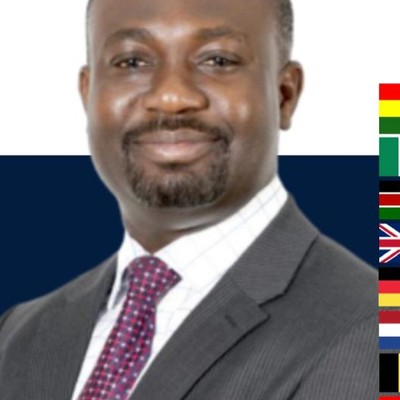

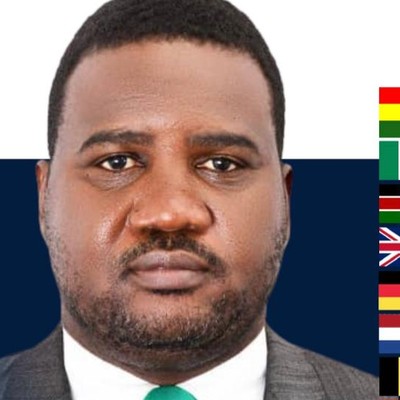

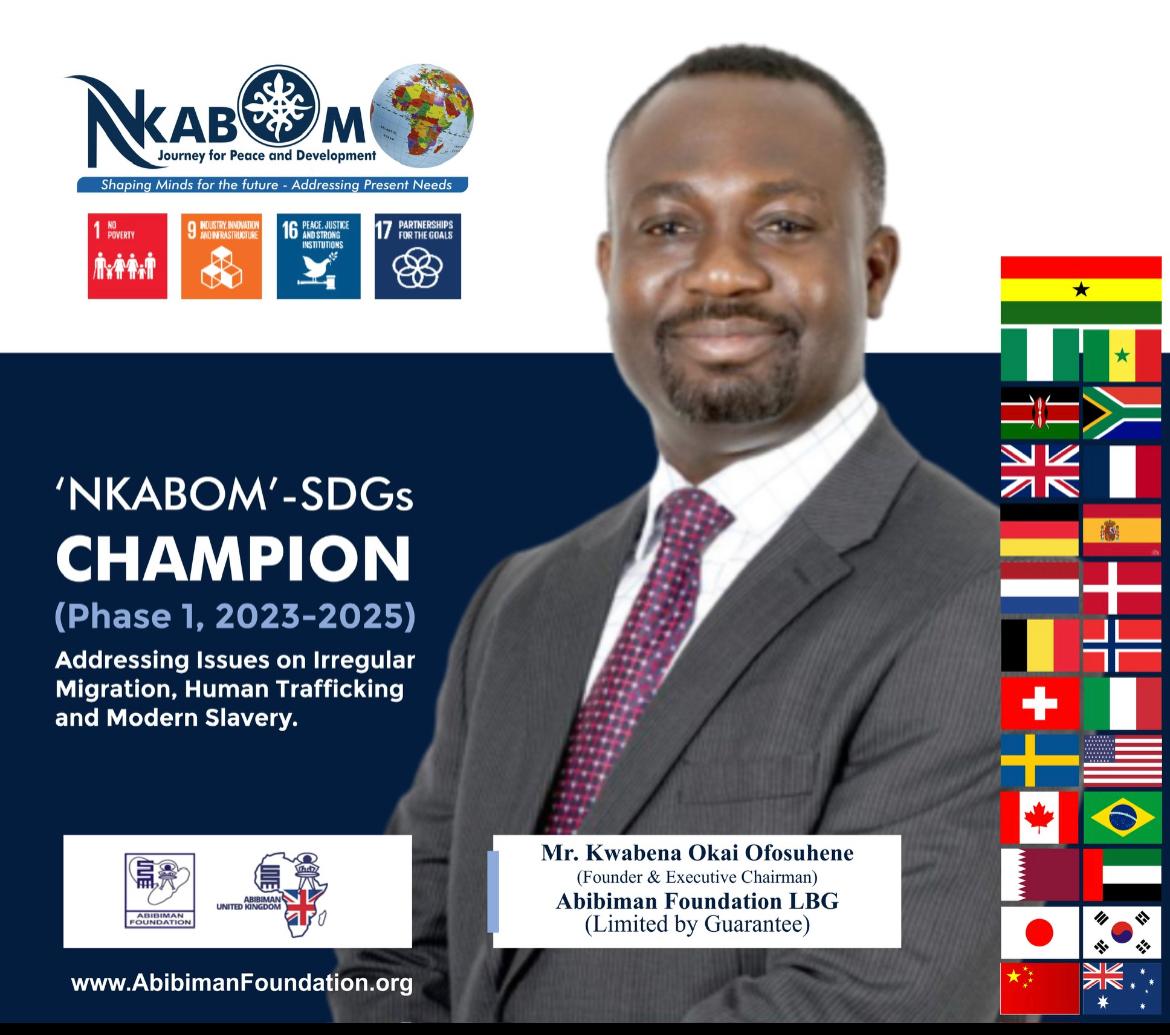
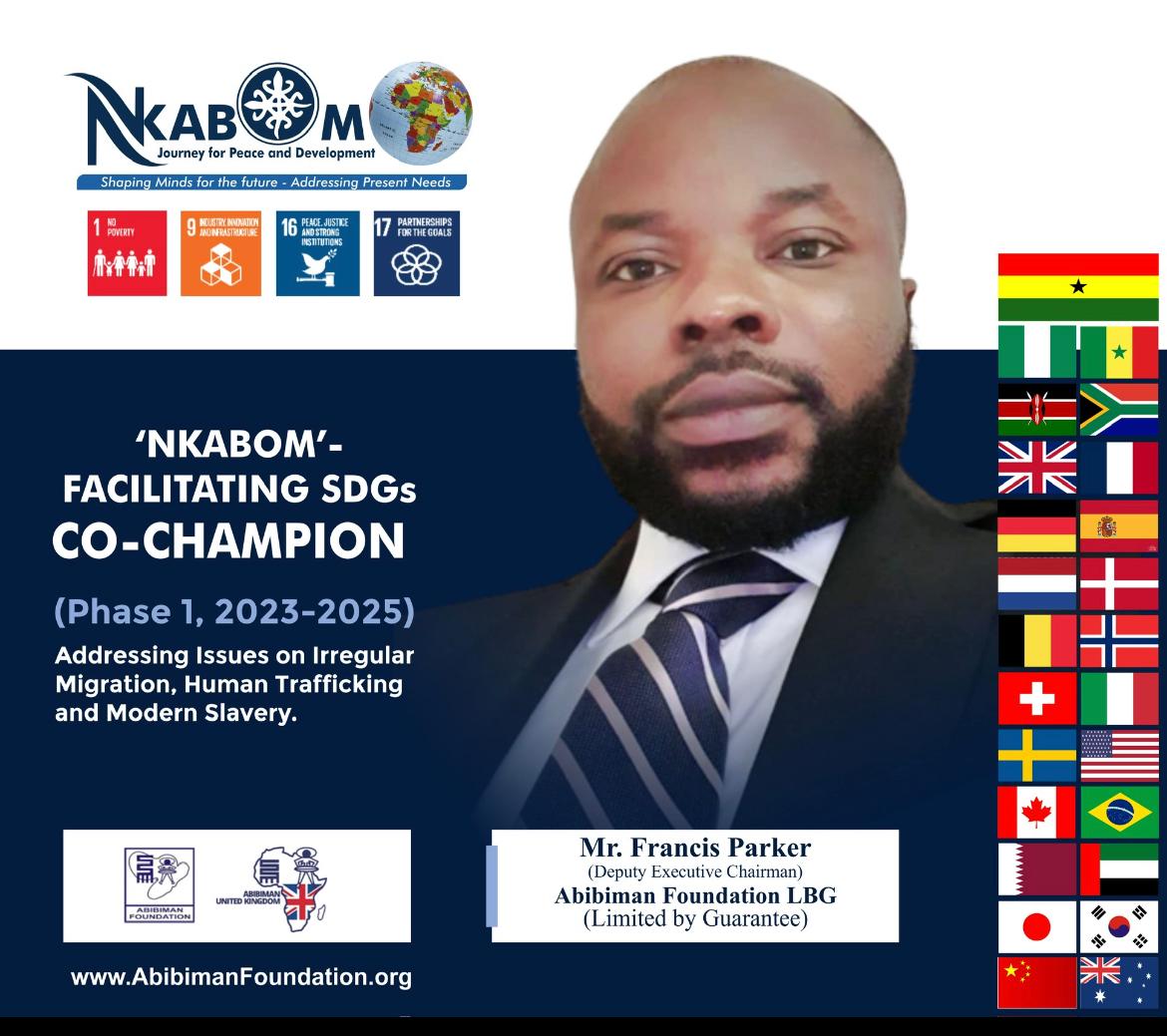
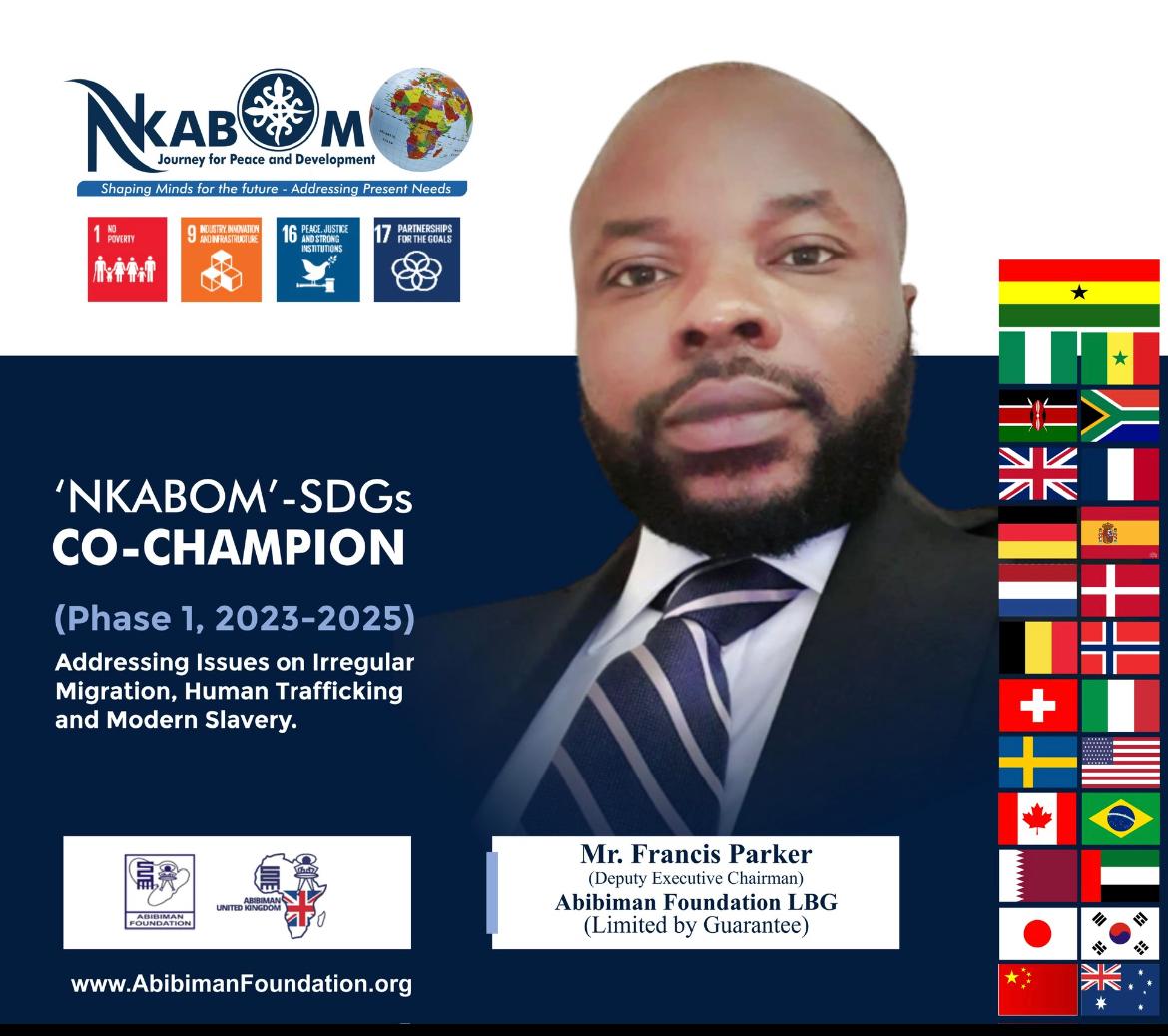
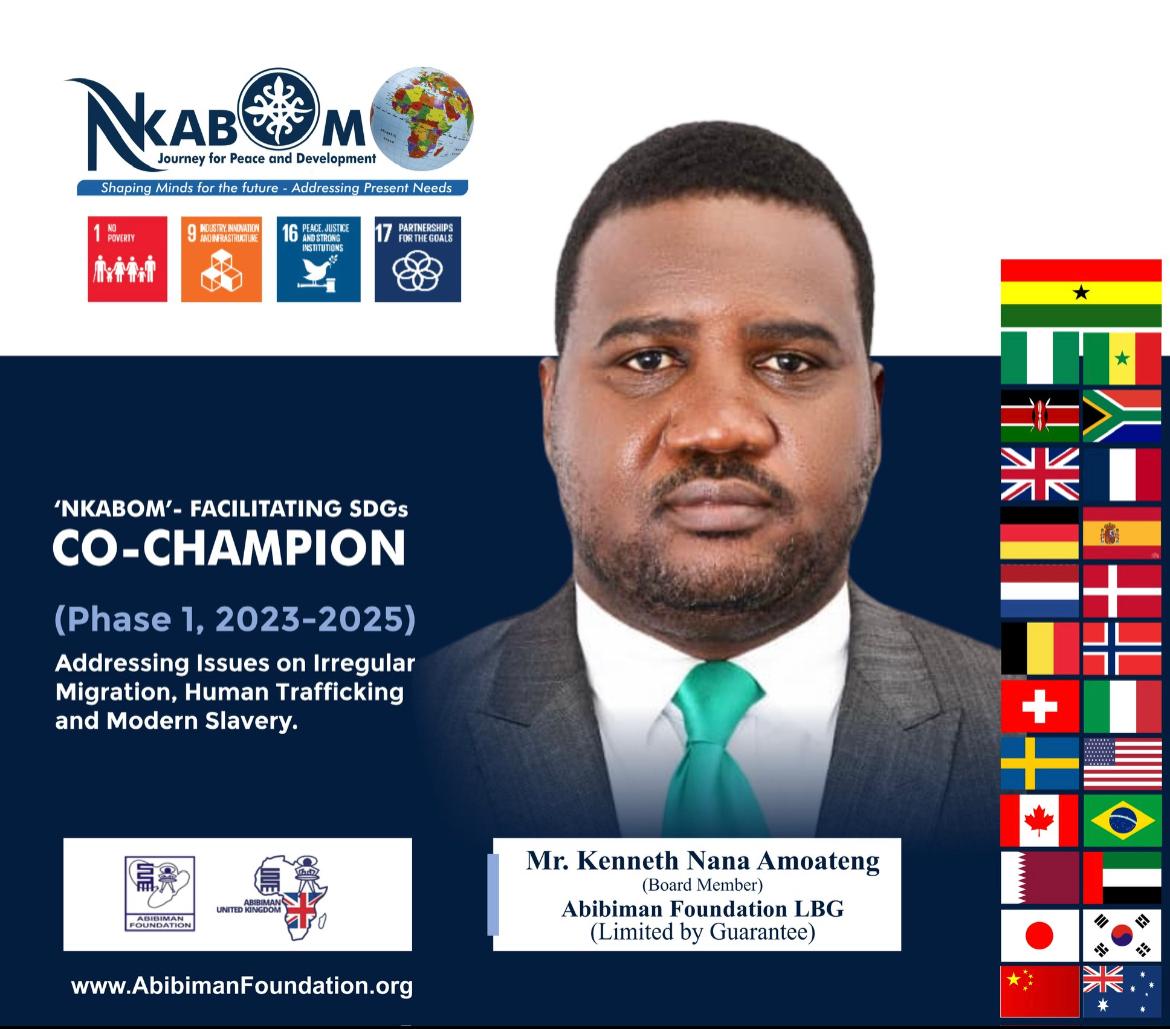
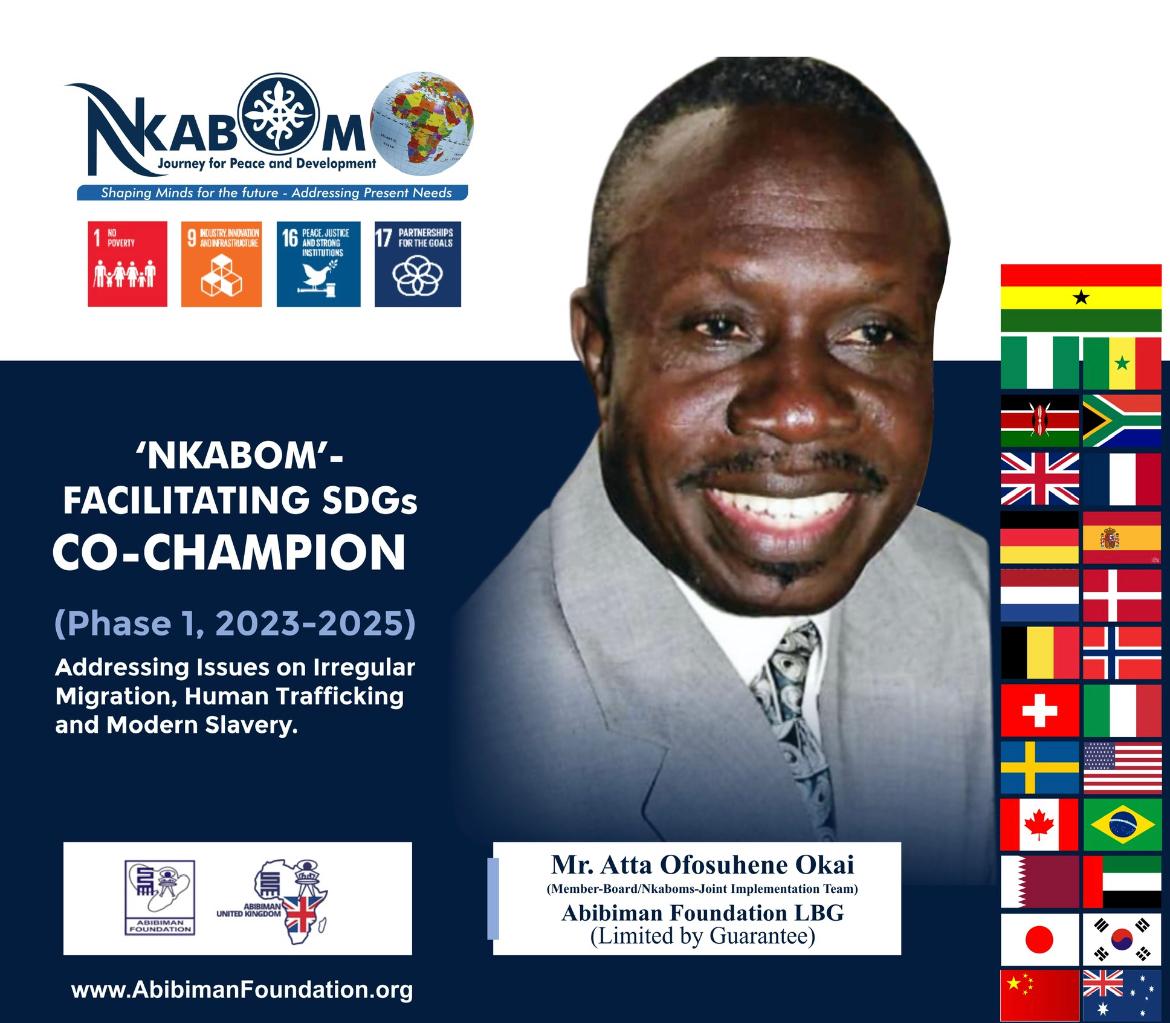
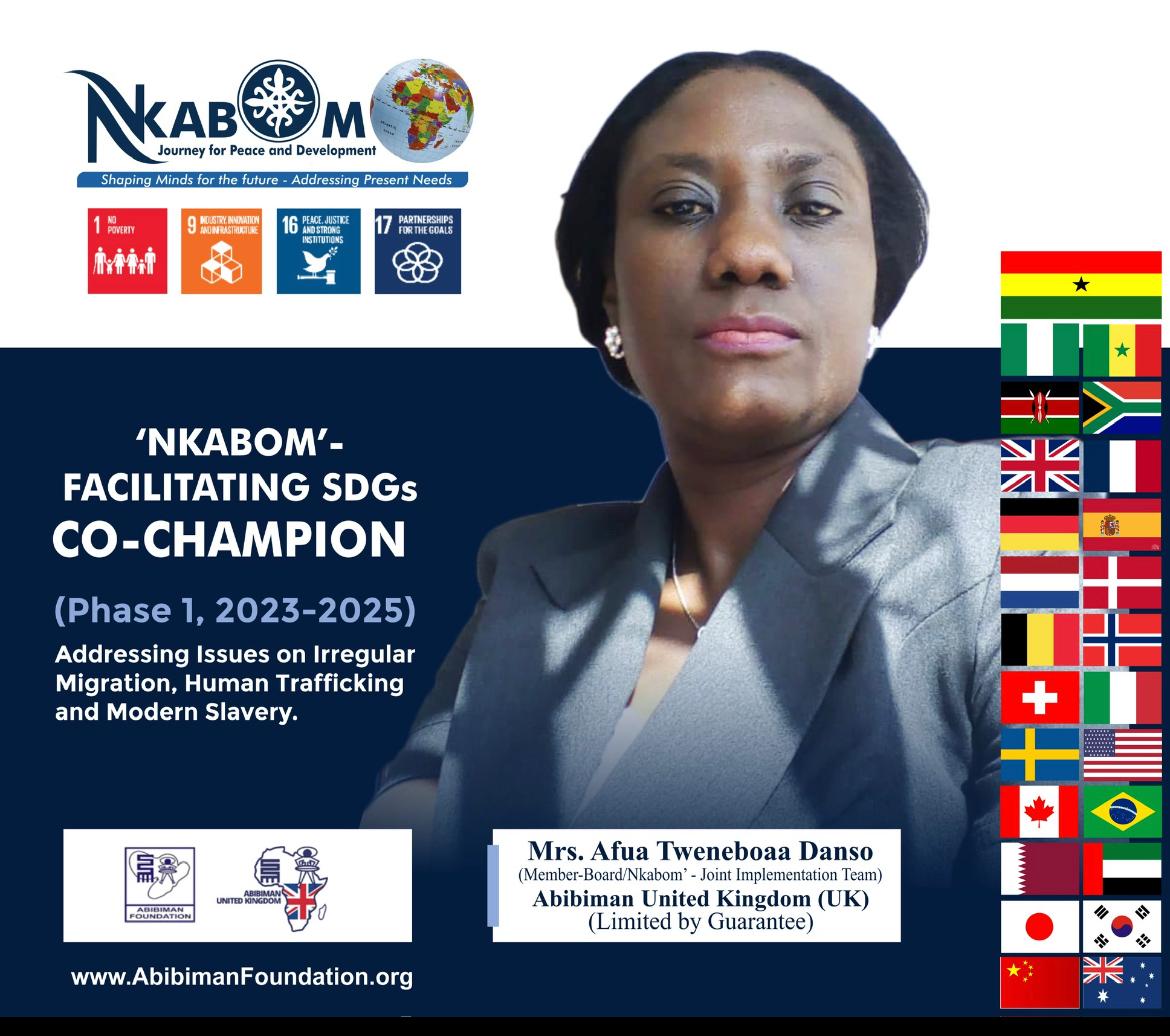
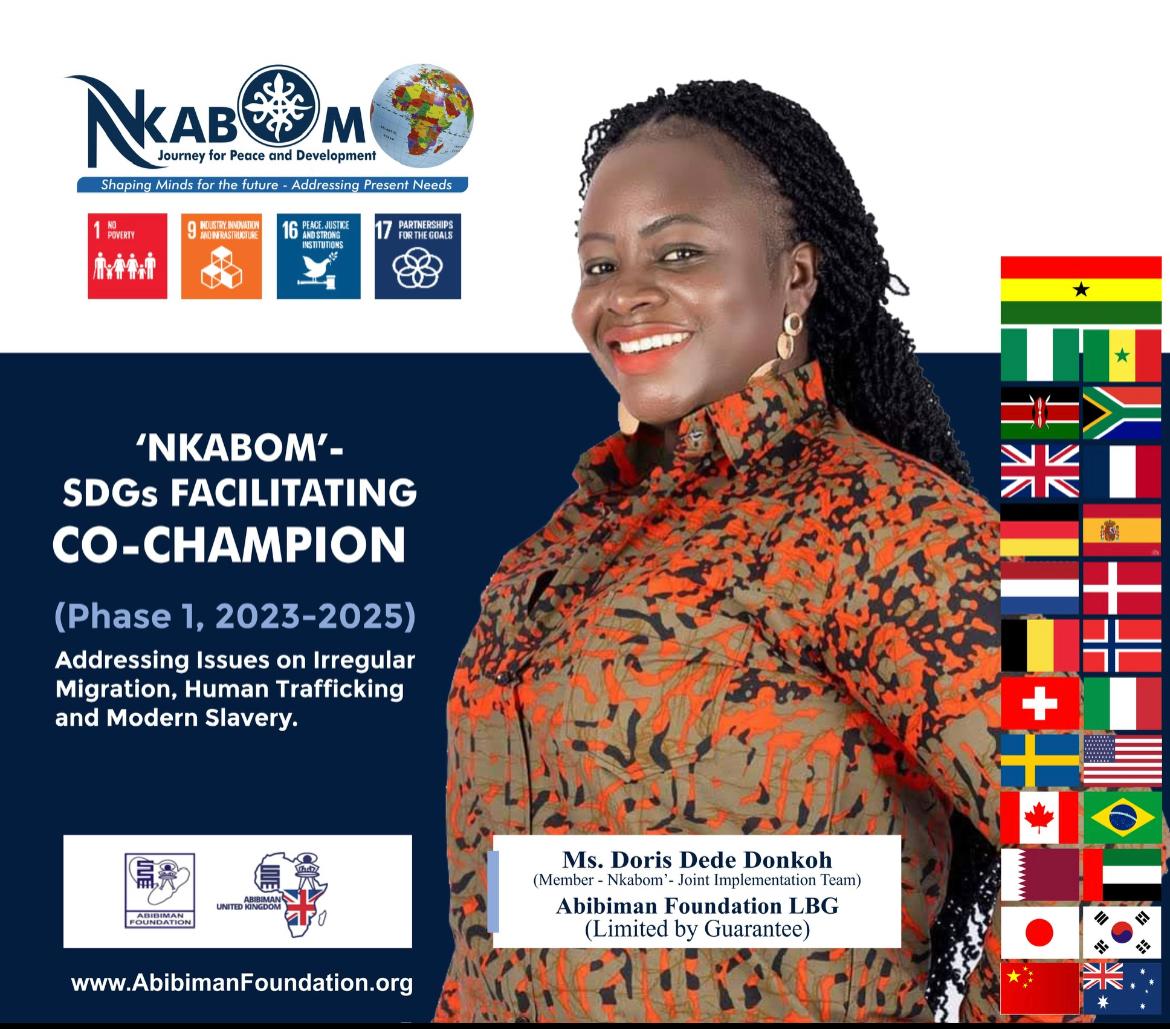
Phase 1, 2023–2025 · Addressing Irregular Migration, Human Trafficking and Modern Slavery
 ABIBIMAN FOUNDATION LBG
BUSINESS DEVELOPMENT PARTNER
ABIBIMAN FOUNDATION LBG
BUSINESS DEVELOPMENT PARTNER
The Regional Executive Council of Abibiman Foundation currently consist of a nineteen (19) member, gender balanced, very qualified and well-experienced individuals who were constituted from a selection of Executive Directors and Non-Executive Directors (General Membership, Partner Organisation and Specialised Agencies) to provide directives and approve annual programme of action, and more importantly ensures accountability and effective implementation of the programme of action by the management team within the Secretariat.
Representatives of Abibiman Foundation
ABIBIMAN FOUNDATION LBG
BUSINESS DEVELOPMENT PARTNER
The Secretariat is headed by the Regional Chief Executive Officer (CEO), who heads the Regional Senior Management Team, and is assisted by a Regional Coordinator and three (3) Deputy Regional Coordinators, a Regional General Manager, seven (7) Regional Managers, SDG Goal Coordinators, support staff and volunteers in taking care of the administrative, financial, operational and any other areas.
Regional Executives
ABIBIMAN FOUNDATION LBG
BUSINESS DEVELOPMENT PARTNER
ABIBIMAN FOUNDATION LBG
BUSINESS DEVELOPMENT PARTNER





 ABIBIMAN FOUNDATION LBG
BUSINESS DEVELOPMENT PARTNER
ABIBIMAN FOUNDATION LBG
BUSINESS DEVELOPMENT PARTNER
 ABIBIMAN FOUNDATION LBG
BUSINESS DEVELOPMENT PARTNER
ABIBIMAN FOUNDATION LBG
BUSINESS DEVELOPMENT PARTNER
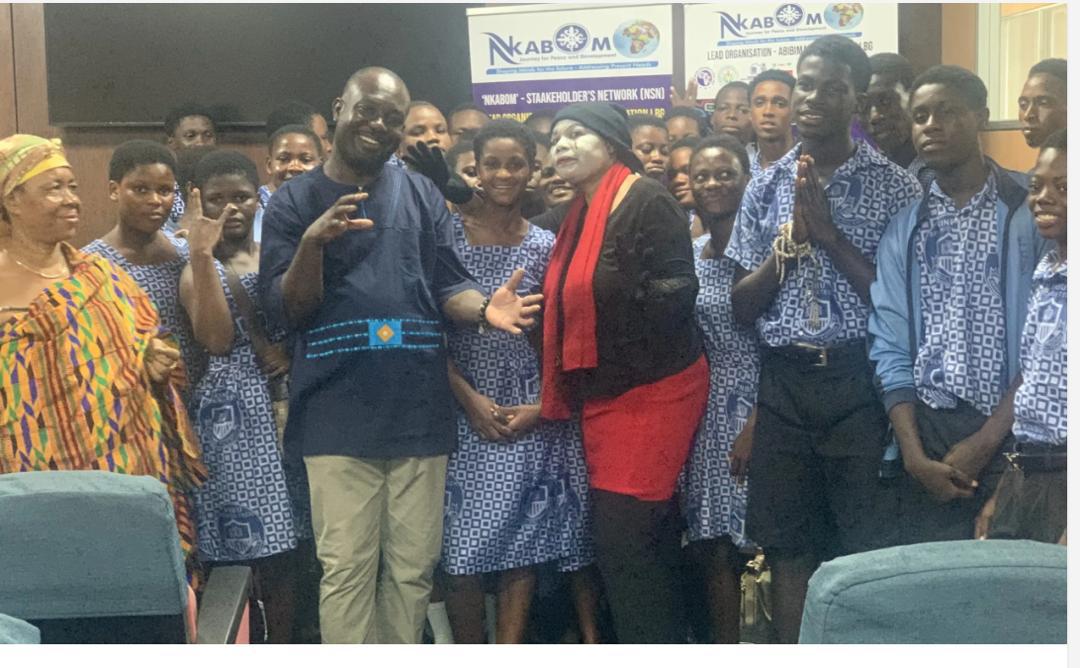
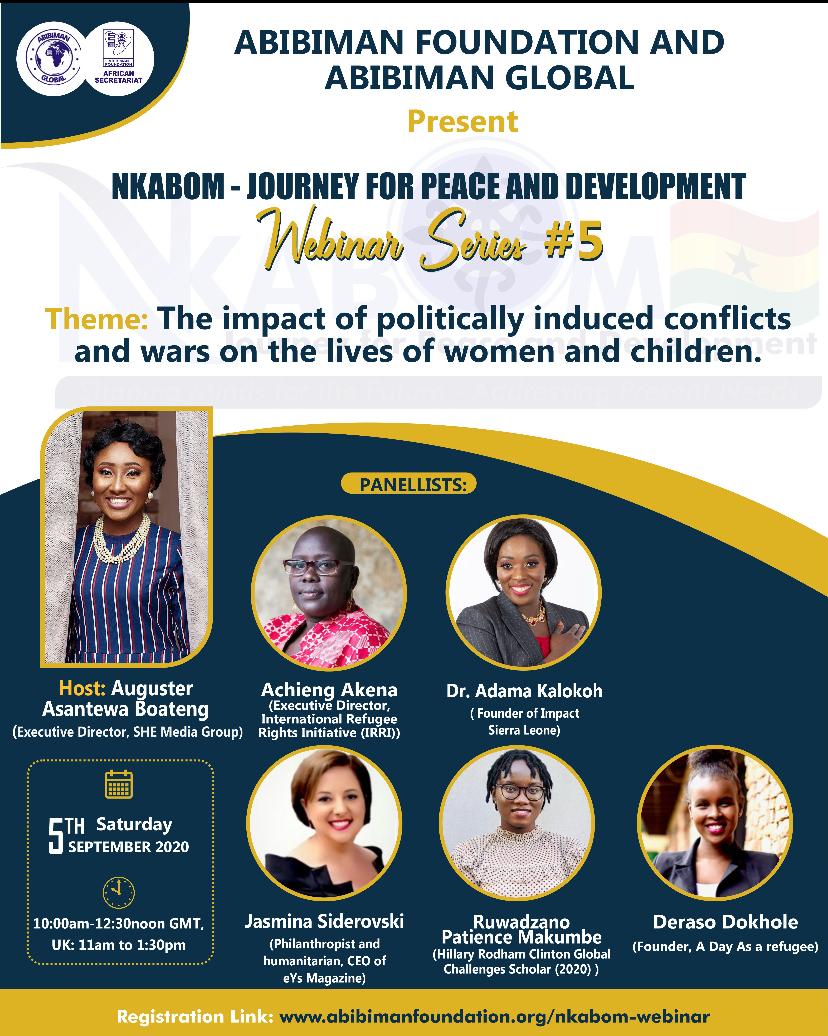
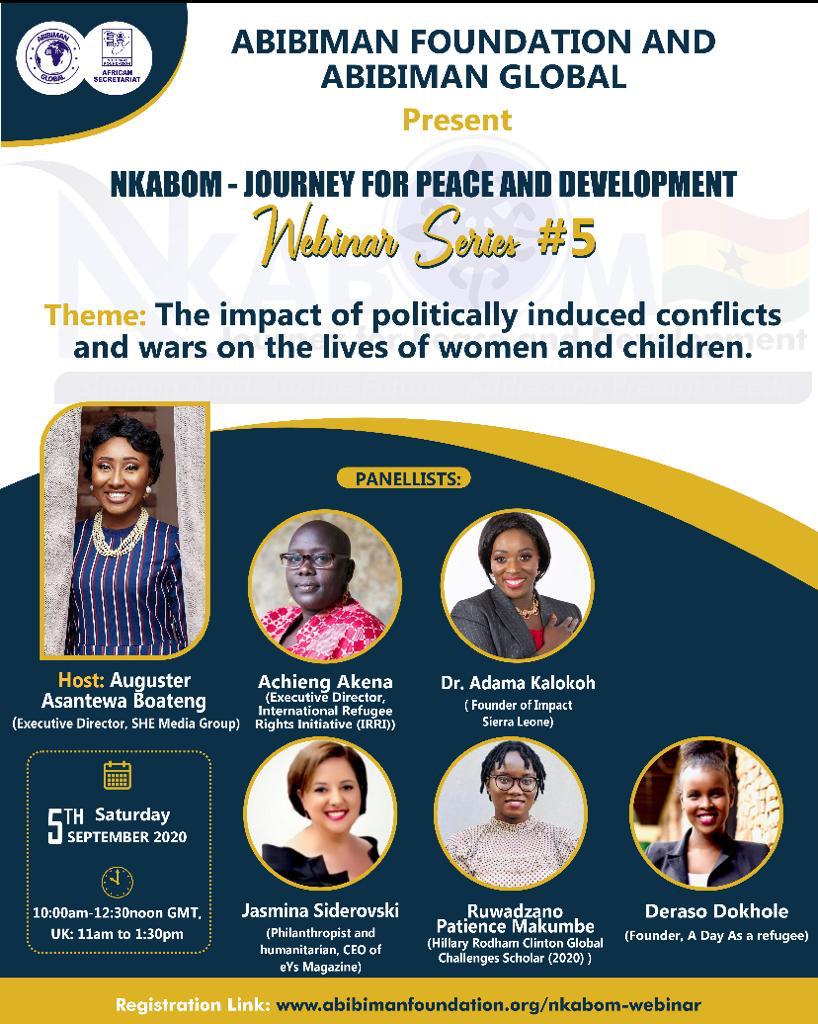
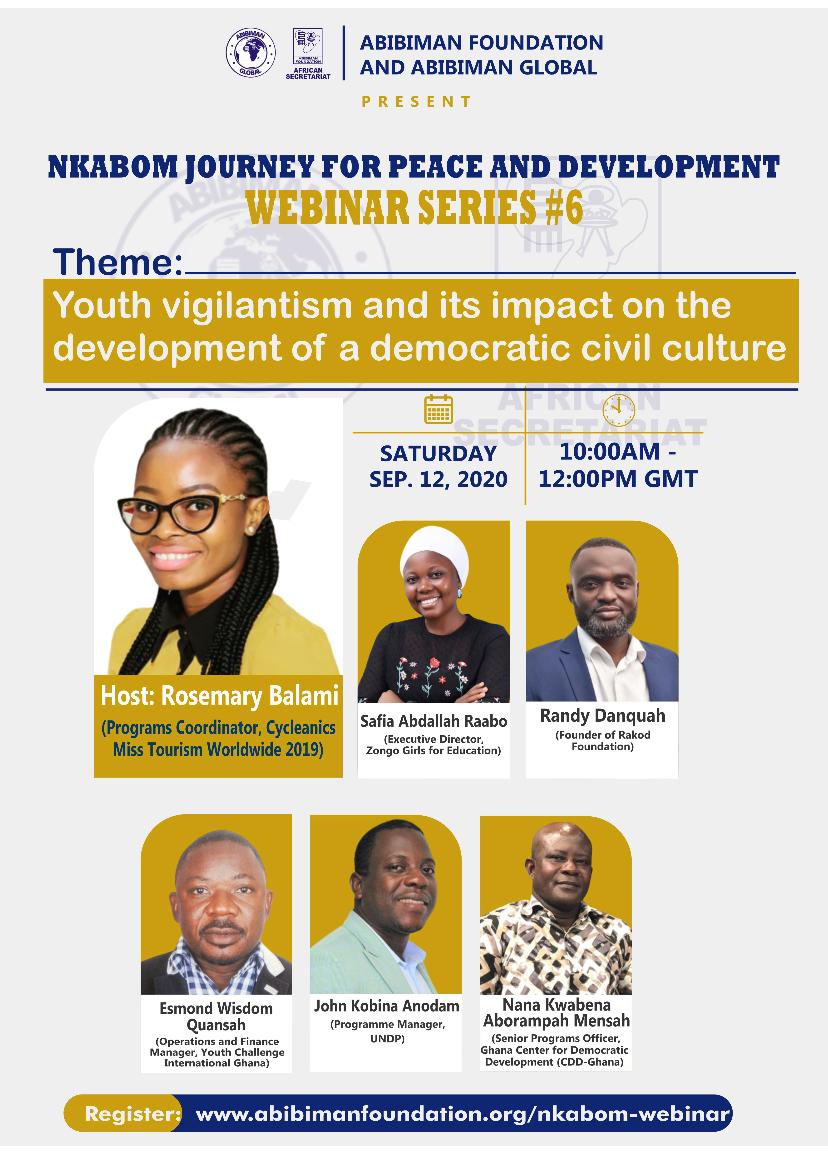
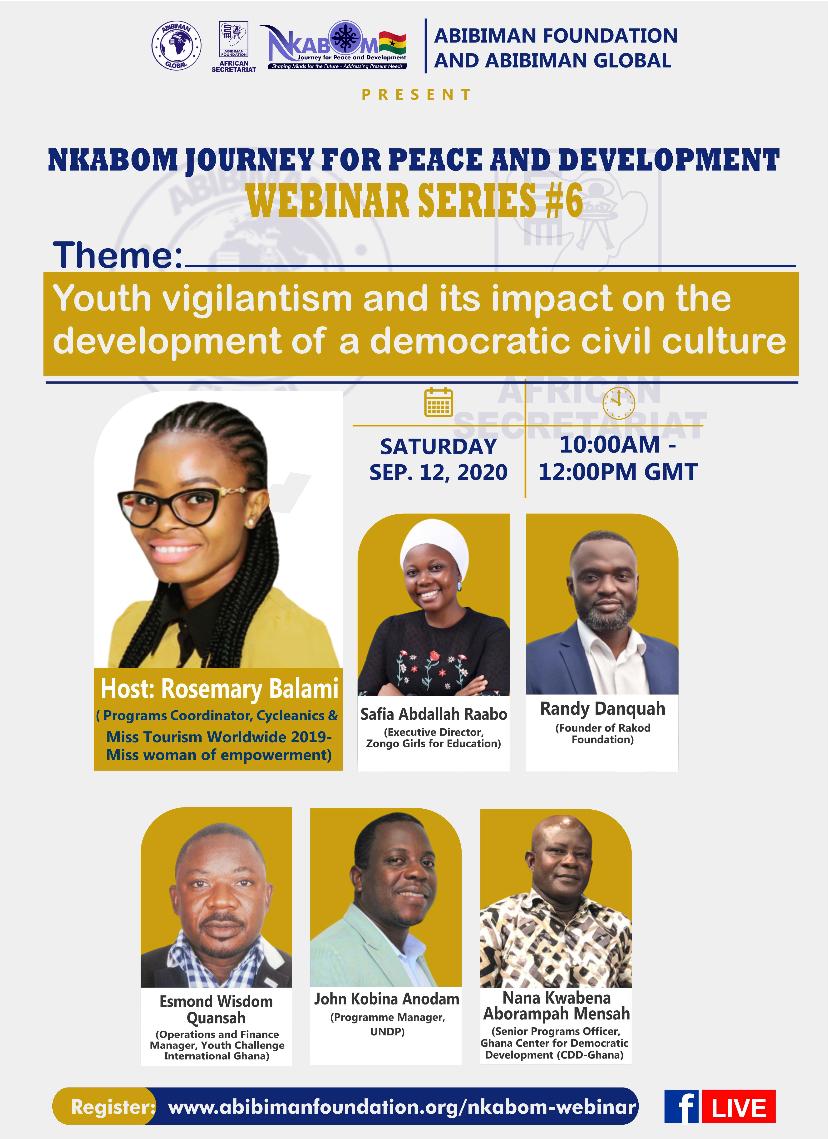
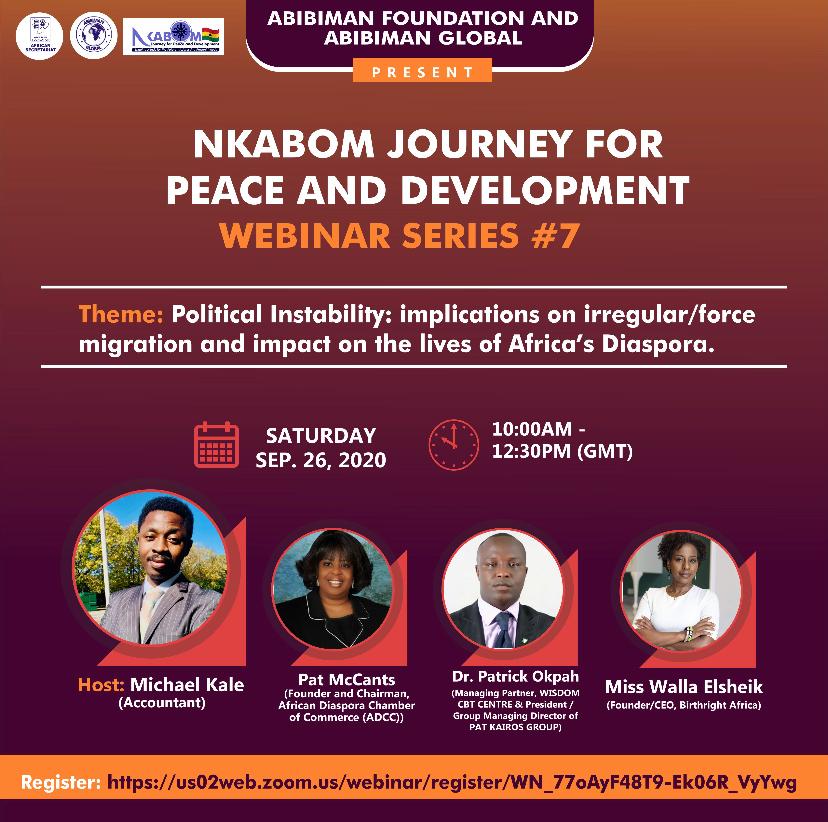
Nkabom' Peace and Development Webinar Series are virtual conferences on peace and development that engage highly resourced panels with the participation of eminent personalities, youth, women and community groups from across Ghana and other African countries.
Register for our upcoming webinar here:
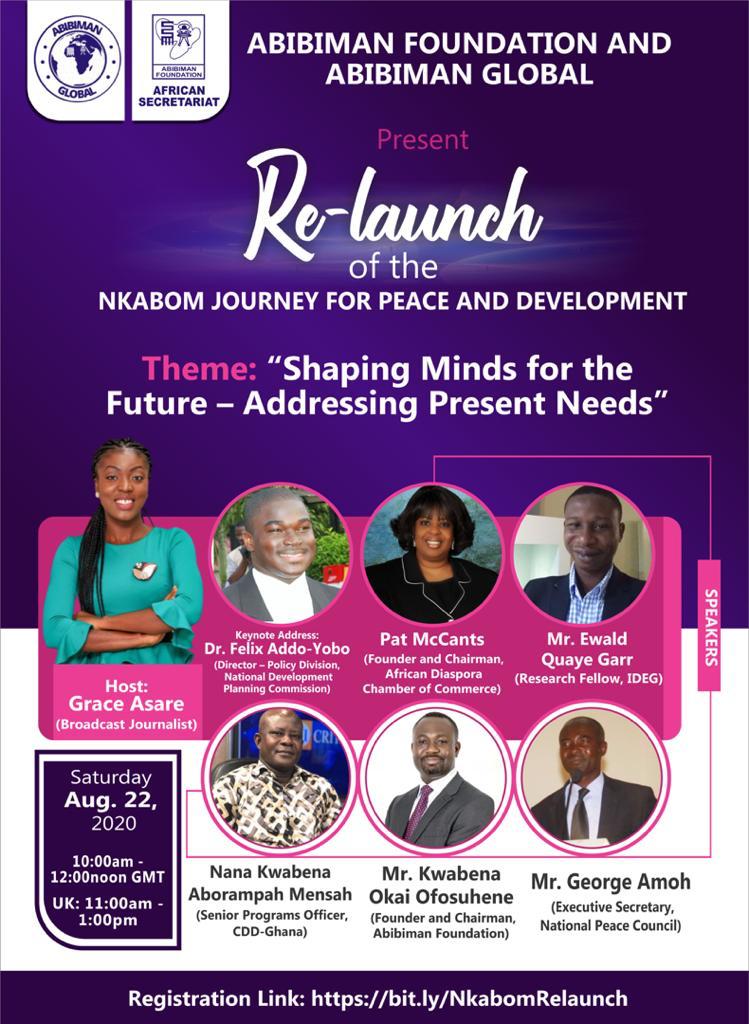
Present
of the
NKABOM JOURNEY FOR PEACE AND DEVELOPMENT
Theme: "Shaping Minds for the Future - Addressing Present Needs"
Saturday Aug. 22, 2020
10:00am - 12:00noon GMT | UK: 11:00am - 1:00pm
Registration Link: https://bit.ly/NkabomRelaunch
ABIBIMAN FOUNDATION LBG
BUSINESS DEVELOPMENT PARTNER
LOCATION
ABIBIMAN FOUNDATION
P.O. Box MD 1169
Madina - Accra, Ghana
MOBILE (WHATSAPP):
Ms. Doris Dede Donkoh +233244999113
Mr. Kingsley Adusei Amakyi +233244052047
GPS ADDRESS
GM-096-9548
EMAIL:
info@abibimanfoundation.org,
abibimanfoundation1@gmail.com
POSTAL ADDRESS:
Abibiman Global 63 Kevan House, Wyndham Road, London SE5 0LR
MOBILE (WHATSAPP):
Mr. Kwabena Okai Ofosuhene +447428738858,
Mr. Francis Parker +447472960909,
Mr. Stefan Sykes +447766773764
EMAIL:
abibimanunitedkingdom@gmail.com
Contact (Focal Persons):
General Issues: Mr. Kwabena Okai Ofosuhene
Global North: Mr. Stefan Sykes & Mr. Francis Parker
Global South: Mr. Kofi Poku Daniel & Ms. Doris Dede Donkoh
Hey! We are looking forward to start a project with you!
The Foundation operates from The Parker’s Complex (GM-096-9547), Adenta – Accra, within the Greater Accra Region of Ghana.
ABIBIMAN FOUNDATION LBG
BUSINESS DEVELOPMENT PARTNER

Journey for Peace and Development
Shaping Minds for the Future - Addressing Present Needs
Let the people speak, not the politicians....(SDG 16)
December 2020 is an election period in Ghana. It is a time when the population is required to elect leaders who can make the needs and wellbeing of the people a priority. It is against this backdrop that Abibiman Foundation has embarked on the 'Nkabom - Journey for Peace and Development' programme, involving a series of advocacy campaigns that seek to promote peace before, during and after elections 2020 through Sustainable Development Goal (SDG) - 16, Peace, justice and strong institutions. YOU can help us make this a reality!
We are engaging on a program that encourages open dialogue across political parties, religions, ethnicity, gender and age to publicly highlight what people really need....
Project 1 of the campaign, which we have already embarked on since July 2020, focuses on development webinar series targeting community-based organisations to promote cooperation, collaboration and partnerships for grassroots and community development.
Project 2 involves nationwide broadcast of interviews on peaceful elections with heads of state institutions and eminent Personalities.
During Project 3, we shall hold workshops for 60 Eminent Personalities, vital state institutions and agencies on the implementation of the Early Intervention Mechanism (EIMs) aimed at promoting cooperation, collaborations and partnerships for grassroots and community development and to manage potential tensions and conflict situations before they escalate.
Project 4 is an Elections Watch programme for the mobilisation of over 10,000 local electoral observation and monitoring groups from over 1,500 community-based organisations to generate data and report on the electoral processes and adherence to Covid - 19 protocols at polling stations across the country.
The NKABOM journey needs funding to make all of this happen. We need YOUR help to implement the various campaigns in the 'Nkabom - Journey For Peace and Development' programme to make sure citizens' voices are heard during these upcoming elections. We launched the programme in Accra on 22nd January 2020 with the backing of state institutions and organisations that stand for peace and sustainability as well as leading government agencies. These include Kofi Annan International Peacekeeping Training Centre (KAIPTC), the Electoral Commission, the National Peace Council, the National Development Planning Commission (NDPC) among others.
Abibiman Foundation is a non-political, non-partisan Foundation which seeks primarily to shape decisions that will enable the people of Ghana and the West African region in general to enhance their own potential in a sustainable way. We invest in sustainable community development programmes that benefit the masses, through poverty alleviation and the promotion of peaceful, safe, credible and fair elections. We use the UN Sustainable Development Goals as our ultimate guide.
Your donation will help us set the stage for nationwide engagement on peaceful elections in Ghana and provide a platform for stakeholders to share ideas on these very important issues. Please click on the button below to donate. Any currency or amount is welcome.
For further information please feel free to visit us on